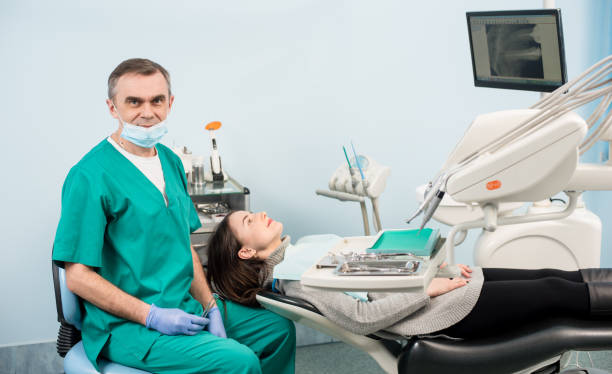
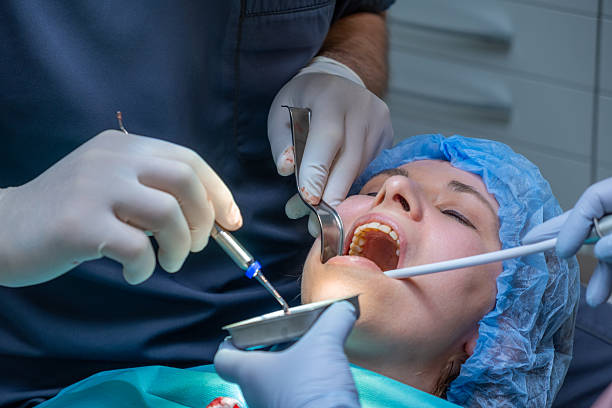
It’s important to know when to seek advanced dental care that will protect your oral health. While a dentist in San Antonio can handle most regular issues, experiencing any of the following symptoms may mean that you need to see an oral surgeon urgently. If you throw caution to the wind, you could develop complications, infections, or permanent damage. Knowing how to recognize the warning signs helps you get the proper treatment.
Often, the symptoms become severe very quickly and that is when you need to get oral surgery near you. Oral surgeons know how to treat complex problems with tooth roots, facial bones, jaw joints, and soft tissues. If you are confused if your discomfort needs advanced care, the symptoms below could help you out.
1. Severe or Persistent Tooth Pain
Intense tooth pain that doesn’t get any better with medication and rest is one of the biggest signs you need oral surgery immediately. Your tooth may be deeply infected, be an impacted wisdom tooth, or abscess. When you have an infection of the root that reaches the jawbone, things can quickly get out of hand. As a result, extraction or other types of surgery may be needed in these situations. You should see a doctor if pain gets worse when chewing, temperature changes or pressing. Do you know the right time to see an oral surgeon for tooth pain? Consult your dentist without delay to prevent any major developments that could affect other teeth in the future.
2. Impacted or Partially Erupted Wisdom Teeth
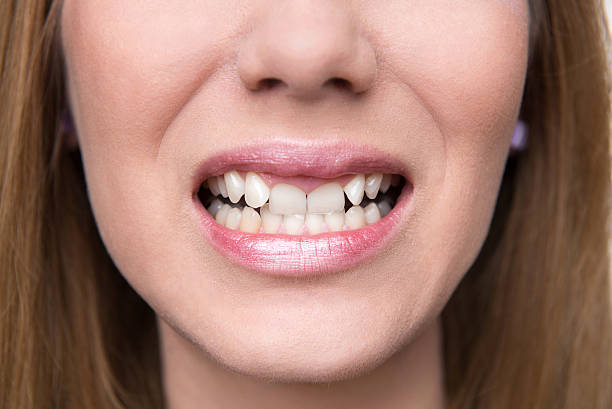
When wisdom teeth do not erupt, it can cause issues. Impacted teeth can press against nearby teeth, create cysts, and cause frequent infections. If your jaw is swollen and stiff, gums are irritated, back molars hurt or you can’t open your mouth. One of the most common procedures performed by oral surgeons involves the extraction of impacted wisdom teeth. This extraction is usually carried out to relieve pain and prevents longer-term consequences like tooth misalignment.
3. Facial Swelling, Jaw Stiffness, or Infection
If you see swelling around your jaw, cheeks or neck, it could be a sign of fast-spreading infection. If not treated, oral infections could threaten your breathing and swallowing. You need to get evaluated by an oral surgeon. If an infection doesn’t get treated, it can do harm to the bone or create a systemic issue.
4. Trauma or Injury to the Face or Mouth
Accidents from sports, falls or other causes, can lead to fractures, dislocated teeth and soft tissue damage. An oral surgeon can treat injuries to the face; realign the jaw and restore damage. Taking immediate care can prevent long-term consequences, enhance the aesthetics, and help in healing.
5. Difficulty Chewing, Jaw Misalignment, or TMJ Issues
If chewing is painful or your jaw clicks/locks or is misaligned, you have TMJ dysfunction or structural problems. An oral surgeon can find out what is wrong with advanced imaging and surgical or non-surgical treatment options. Persistent jaw pain should never be ignored.
When to Act
If you’re experiencing any of these symptoms, don’t delay. A dental office near you will assist in proper evaluation and timely treatment. When diagnosis takes place on time, the outcome turns out to be beneficial and prevents any complex or expensive procedures later on.
Conclusion
If you’re uncomfortable, infected or hurt, professional oral care can make all the difference. At Excel Dental and Implant Center, our experienced team will give you the guidance you require in addition to the surgical care necessary to ensure you receive care from the most experienced meeting the needs of patients . Contact us today to schedule a consultation and protect your long-term oral health.
Need urgent oral care? Visit us today — get directions to Excel Dental and Implant Center.
FAQs
- What conditions require oral surgery?
You may need oral surgery if you have impacted teeth or if you have a severe jaw joint or infection.
- How do I know if I need an oral surgeon or a general dentist?
A general dental professional deals with the ordinary care of a patient. By way of contrast, an oral surgeon deals with bone and root issues. Likewise, ill-functioning jaw joints and complicated surgical procedures come under the purview of the oral surgeon. Your dentist may refer you if specialized care is required.
- What should I expect during recovery after oral surgery?
Depending on the procedure, recovery from swelling and discomfort often requires rest, medication, cold compresses and a diet of soft food. Most patients feel significantly better within a few days.
- Is oral surgery painful or done under anesthesia?
Oral surgery is normally carried out under local anesthesia, sedation or general anesthesia. The discomfort that patients feel can be annoying, but not painful, during the procedure. Following the procedure, patients can use the prescribed medications to feel better.