Learning that a specialized procedure is necessary for your smile can feel overwhelming at first. Most people hear the word “surgery” and think of a hospital, but many types of oral surgery in San Antonio take place right in a comfortable dental chair. These procedures focus on fixing problems with the teeth, gums, or jawbone that regular cleanings or fillings cannot solve. Whether someone needs to remove a crowded tooth or fix a bone issue, surgery provides a permanent way to keep the mouth healthy and strong.
The most common reason a person might need a specialized procedure is when a tooth is impacted and cannot erupt properly. A dentist in San Antonio will often use digital X-rays to see exactly where the roots are located before starting any work. Using these clear images, the dental team can plan the most efficient approach to help a patient feel better.
Common Types of Procedures for a Healthy Smile
Mouth surgery covers a wide range of treatments designed to improve both the look and the function of your teeth. Many patients find that oral surgery near you is much easier than they expected, thanks to modern technology and medicine.
- Tooth Removal: Sometimes a tooth is too damaged by a cavity or an accident to be saved, so it must be carefully taken out.
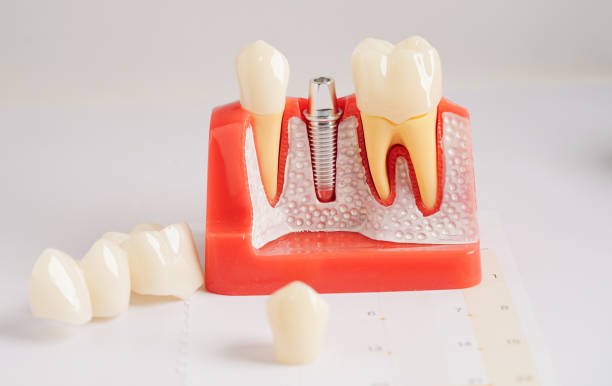
- Bone Strengthening: If a tooth has been missing for a long time, the jawbone may become thin and require additional support.
- Gum Repairs: Surgery can help fix gums that have pulled away from the teeth, protecting the sensitive roots from cold and heat.
When a teenager’s mouth is too small for new molars, a professional might perform advanced oral surgery procedures for impacted wisdom teeth to prevent the other teeth from shifting out of place.
Preparing for Your Visit
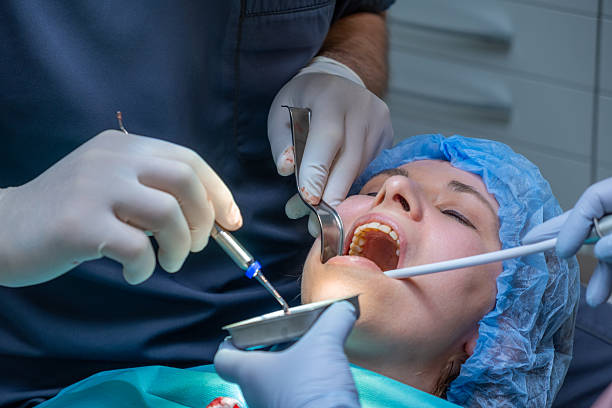
Every successful procedure starts with a conversation at a dental office near you to discuss the plan and what to expect. The dental team will explain how they keep the area numb so that no pain is felt during the actual surgery. Many offices also offer options to help patients stay extra relaxed and sleepy throughout the appointment.
- Follow Instructions: The team will let you know whether you should avoid eating or drinking for a few hours before the visit.
- Ask Questions: Do not be afraid to ask how the procedure works or how long the visit will take.
- Plan for Rest: It is smart to have a quiet place at home where you can nap and recover after work.
Finding reliable oral surgery in San Antonio means having a team that cares about your comfort just as much as your dental health. They will provide a detailed list of tasks to do at home to ensure the area heals quickly and stays clean.
What Happens During Jaw and Tooth Treatments?
Some patients require more complex help to ensure their bite works correctly when they eat or speak. Professionals often perform surgical tooth extraction and jaw correction treatments to fix issues that interfere with daily life. If the top and bottom teeth do not meet correctly, adjusting the bone can create a much more comfortable and functional mouth.
These procedures are precise and employ advanced tools to deliver optimal results. While the idea of jaw work sounds intense, it is a very routine part of modern dentistry that helps people live without chronic discomfort. A healthy jaw ensures that every tooth can do its job without wearing down too quickly.
Recovery Tips for a Smooth Healing Process
The days following a procedure are the most important for ensuring a fast recovery. While the body is excellent at repairing itself, following a few simple rules helps avoid complications like infections.
- Stick to Soft Foods: Enjoy smoothies, yogurt, or mashed potatoes to avoid complex, complicated, or chewy foods that could irritate the surgical site.
- Keep It Clean: Rinsing gently with warm salt water keeps germs away without irritating the area.
- Use Ice: Holding a cold pack against the cheek helps reduce swelling and keeps the face feeling comfortable.
- Take it Easy: Avoid running or heavy exercise for a few days so the body can focus all its energy on healing.
Ready for a Smile That Lasts a Lifetime?
A healthy mouth is vital to a happy life, and sometimes surgery is the most effective way to achieve that goal. Our team is dedicated to providing gentle care and ensuring every patient feels confident in their treatment plan. By addressing dental issues early, you can enjoy a lifetime of strong teeth and a beautiful smile. Every procedure is a step toward a more comfortable and functional future for your oral health.
Contact us today with Excel Dental and Implant Center to learn more about how our expert team can help you!
Frequently Asked Questions
What conditions require oral surgery?
Procedures are usually needed for deeply buried wisdom teeth, replacing missing teeth with implants, or correcting jawbone issues. A professional will always try non-surgical options first before suggesting a more involved treatment.
Is oral surgery painful?
During the procedure, the area is thoroughly numbed, so no discomfort is felt. After the medicine wears off, there might be some soreness, but this can be easily managed with the advice from your dental team.
How long does recovery take after oral surgery?
Most people feel back to normal within a few days to a week. The exact time depends on the type of procedure, but following the after-care rules helps the process go as fast as possible.
Do I need a referral for oral surgery?
Some patients start with their regular dental checkup, while others go straight to a specialist. It is usually helpful to have a consultation first so the professional can evaluate your specific needs and create a custom plan.